

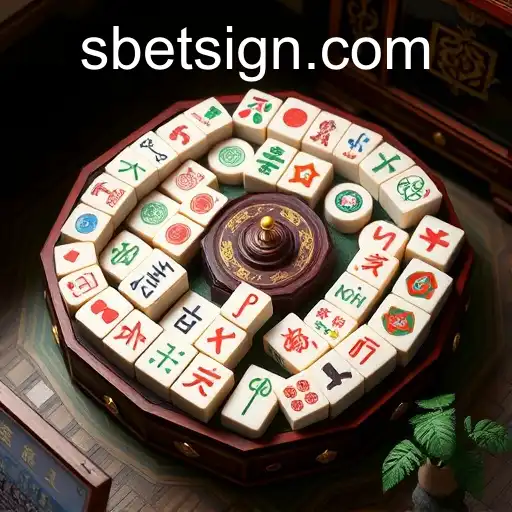

Exploring the classic game of Mahjong and its evolution with SBET technology, offering insights into its rules and modern advancements.
Discovering Mahjong: The Traditional Game Now Embracing SBET Technology
Mahjong is a traditional game rooted deeply in Asian cultures, combining strategy, skill, and a touch of luck. Although originating in China, it has captured the imaginations of players worldwide, evolving from a simple leisure activity to a competitive pursuit. Today, Mahjong is experiencing a technological revolution with the integration of SBET or Smart Betting technologies.
Introduction to Mahjong
The origins of Mahjong date back to the 19th century, with various theories suggesting it was a pastime developed by Chinese royalty or a derivative of domino-card games. Played with tiles rather than cards, each set consists of 144 tiles featuring Chinese characters and symbols divided into suits, honors, and bonus categories.
Traditionally, Mahjong was a social game played among family or friends. The sound of clattering tiles became synonymous with gatherings, embodying cultural heritage and social bonding. Its enduring appeal lies in its blend of strategic complexity and simplicity, making it accessible yet deeply engaging.
The Basic Rules of Mahjong
Tile Breakdown
The Mahjong set comprises three suits: Bamboo, Characters, and Circles. Each suit contains tiles numbered one through nine. Additionally, there are four Wind tiles and three Dragons, as well as bonus tiles that include flowers and seasons. The objective is to form sets or runs of tiles, aiming for specific configurations that achieve a winning hand.
Gameplay Mechanics
Four players are seated around a square table, with each player receiving 13 tiles. A game begins with the East Wind player discarding a tile, followed by players taking turns either drawing from the wall or claiming the most recently discarded tile. The goal is to create a winning hand of 14 tiles, which usually consists of four sets and a pair.
The sets can be either Pongs (three identical tiles), Kongs (four identical tiles), or Chows (three consecutive tiles of the same suit). Special scoring hands and bonus points are awarded for certain combinations, requiring players to have a strategic approach to both offense and defense.
Winning the Game
A player can declare victory by announcing Mahjong! upon completing a valid hand of 14 tiles. Scoring is a vital aspect, with different rulesets dictating complex systems of multipliers and bonuses. A player's ability to anticipate opponents' moves and adapt strategies dynamically can be the key to conquering the game.
Integrating SBET Technology
With technological advancement, Mahjong enthusiasts are witnessing an exciting change as SBET (Smart Betting) technology offers new dimensions to traditional gameplay. Emphasizing innovation, SBET provides enhanced analytics and strategic tools that cater to both seasoned players and newcomers seeking an edge.
SBET incorporates AI-driven platforms that analyze historical gameplay data, offering insights into optimal strategies. It projects potential outcomes based on players’ previous performances, tile draws, and even psychological profiles, fundamentally reshaping decision-making processes.
Impact of SBET on Competitive Mahjong
Competitive Mahjong has relished in global attention, with events and tournaments held across continents. The embrace of SBET technology enhances popular events by offering live strategy predictions, fostering a more immersive experience. This real-time application enhances broadcasts, allowing spectators to experience an augmented view of the unfolding strategies.
For players, SBET acts as a digital coach. By delving into the patterns of play, it advises on risk assessment and strategic pivots. This elevates the understanding of player tendencies, beneficial for honing skills and preparing for high-stakes tournaments.
The Cultural Response
The cultural integration of SBET in Mahjong reflects a balance between preserving a treasured pastime while embracing modern advancements. In regions where Mahjong is deeply entrenched, traditionalists express concerns over technology overshadowing cultural nuances. However, proponents argue it revitalizes the game for newer generations, ensuring its legacy endures.
The debate continues, but the consensus indicates an exciting era for Mahjong fans willing to explore both tradition and technology.
Conclusion
As Mahjong moves forward into the digital age, the fusion of SBET technology transforms how it is perceived and played globally. By embracing advanced analytics and strategic insights, it opens new arenas for competitive play and rekindles interest in this beloved classic. Mahjong stands as a testament to cultural adaptability, ensuring its place as a staple in households and tournament halls worldwide.